How Much Is Your Home Worth?

Probate
Add subHeadline
Meet Your Real Estate Agent
Don’t Take On Probate Alone

Selling a loved one’s home can be an emotional journey—from sorting through personal belongings to signing the final papers at closing. Surrounding yourself with compassionate, knowledgeable professionals can make this difficult process more manageable. In addition to an attorney, experienced real estate experts who understand probate sales can be invaluable in navigating the unique legal and financial details involved.
Grieving takes time, and there’s no need to rush. When you are ready to liquidate the property, it’s important to understand the market, explore your options, and partner with a caring REALTOR® who can guide you while minimizing stress, delays, and unnecessary costs. My team is here to support you at every stage, working diligently to secure the terms that best meet your family’s needs and goals.
BORN TO WIN
Benefits
IN DEPTH
Property evaluation and marketing strategy.
IMPLEMENTATION
Staging, marketing campaign, negotiation.
EXPERTISE
Probate paperwork, deadlines, procedures.
DILIGENCE
Determining the market value of the estate home.
COMMUNICATION
Between legal teams, buyers, multiple beneficiaries.
MAXIMUM
Exposure to brokers, agents and qualified buyers.
ASSISTANCE
From start to finish, A-Z, listing to closing.
GUIDANCE
Navigating the complexities of the probate process.
Add subHeadline
Don’t Take On Probate Alone
From Clean-Out to Closing: Why a Realtor Matters
Selling a home is more than putting a sign in the yard—it’s a step-by-step process that begins with preparing the property and ends at the closing table. From decluttering and staging to marketing, showings, inspections, and paperwork, each phase requires careful planning and coordination. Proper preparation helps your home stand out, attract qualified buyers, and achieve the strongest possible price.
Working with a Realtor makes this journey far more manageable. A skilled professional brings market insight, a network of trusted service providers, and negotiation expertise. They guide pricing, oversee marketing and showings, coordinate deadlines, and handle details that can otherwise become overwhelming. With the right support, you can move from clean-out to closing with confidence—knowing every step is handled and your sale is positioned for success.
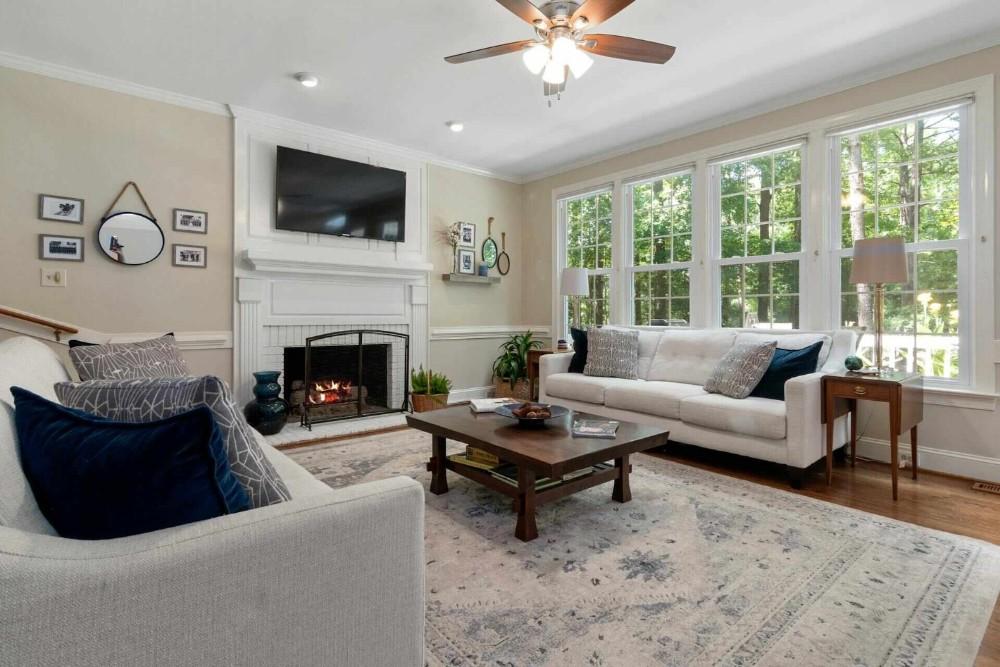
Our Team Can Also Facilitate The Sale Of Personal Possessions
Selling a home often involves more than the property itself—it also means deciding what to do with personal belongings that may not fit your next chapter. Our team understands how overwhelming this can feel, and we’re here to support you throughout the process.
From coordinating estate sales to connecting you with trusted professionals for appraisals, donations, or auctions, we provide the resources needed to make the transition as smooth as possible. Whether you’re downsizing, relocating, or settling an estate, we guide you step by step, ensuring your possessions are handled with care and receive fair value.
Working with a Realtor during this time is incredibly valuable. In addition to market expertise and a strong professional network, we bring the experience needed to align the sale of personal belongings with your overall home sale. By coordinating both, we simplify the process, save you time, and reduce stress. This comprehensive approach lets you focus on what comes next while we manage the details for a seamless experience.
FAQs
What is probate real estate?
Probate real estate is a home owned by someone who has passed away that must go through a court-supervised process before it can be sold or transferred. The probate court ensures the deceased person’s debts are paid and the remaining assets are distributed correctly to heirs according to the will or Tennessee law if no will exists.
Who has the authority to sell a probate property?
Only the court-appointed executor (if there is a will) or administrator (if there is no will) can legally sell the home. This person acts on behalf of the estate, handles required paperwork, works with the attorney and Realtor, and must follow all probate rules to protect the interests of beneficiaries.
How long does probate take in Tennessee?
Most probate cases take approximately 6 to 12 months, though more complex estates can take longer. Delays may occur due to creditor claims, court schedules, property issues, or disagreements among heirs, all of which can extend the timeline before the sale can fully close.
Can a probate home be sold as-is?
Yes. Probate properties are frequently sold as-is because families may not want to invest additional time or money into repairs. However, basic cleaning, decluttering, or minor improvements can sometimes increase buyer interest and final sale price, depending on market conditions.
Do all heirs need to approve the sale?
Typically, unanimous approval is not required, as the executor has legal authority to act. However, keeping heirs informed and involved can help prevent misunderstandings or disputes that might lead to legal challenges or delays in court approval.
What costs are involved in selling a probate property?
Expenses can include probate attorney fees, court filing costs, real estate commissions, property taxes, insurance, utilities, maintenance, clean-out services, and standard closing costs. These expenses are usually paid from the estate proceeds at closing.
Can heirs purchase the property themselves?
Yes. Heirs may buy the home, usually at fair market value to ensure fairness to all beneficiaries. The transaction must follow probate guidelines and may require court approval, especially if other heirs are receiving proceeds from the sale.
Why work with a probate-experienced Realtor?
A Realtor with probate experience understands the legal timelines, disclosure requirements, and coordination needed between attorneys, courts, heirs, and buyers. They can also help prepare the property, price it correctly, market it to the right audience, and manage the transaction carefully to reduce stress and avoid costly mistakes during an already emotional time.



Disclaimer: All information contained on this website is deemed reliable but not guaranteed. All properties are subject to prior sale, change or withdrawal notice shearonsellsteam.com believes all information to be correct but assumes no legal responsibility for accuracy.